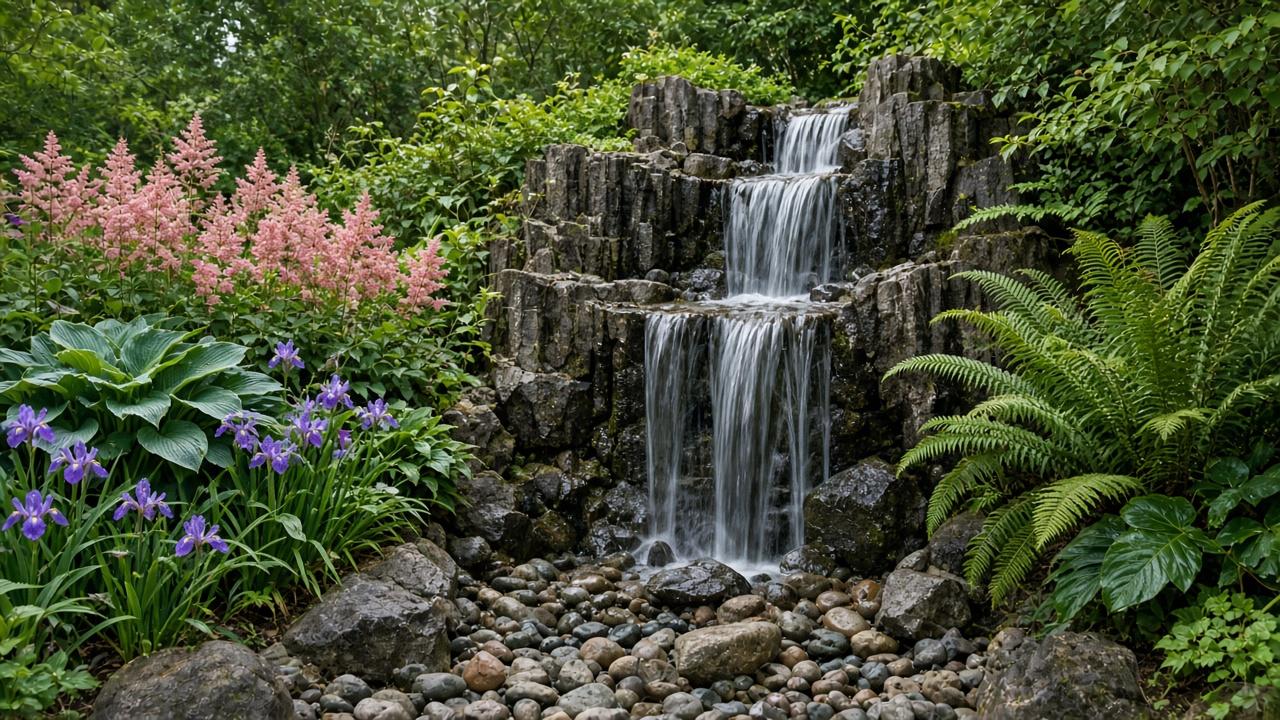
Water Feature Installation in Portland, OR
Pondless waterfalls, garden fountains, and decorative water features crafted for Portland landscapes.
Portland's rain-soaked reputation is actually the perfect backdrop for water features. The sound of running water in a garden is one of the most universally appealing elements of outdoor design — and in a Pacific Northwest garden surrounded by ferns, mosses, and conifers, a well-built water feature feels completely at home.
Water features range enormously in scope and complexity. A simple recirculating fountain bowl on a patio is a weekend project. A full pondless waterfall with a stacked basalt rock face, 50 feet of stream bed, and a buried reservoir with a high-capacity pump is a multi-week installation. Portland Hardscaping Services connects you with contractors who handle the full range — and who understand the Pacific Northwest plant palette and aesthetic that makes Portland water features distinctive.
The practical advantage of pondless water features — which are the dominant style in Portland residential installations — is that they're mosquito-free and require minimal maintenance compared to open koi ponds. The reservoir is buried below grade and covered with decorative rock, eliminating standing open water while maintaining the sound and visual effect of flowing water.
Portland-Specific Considerations for Water Features
Portland receives abundant rainfall, which actually helps with water feature maintenance. In many climates, evaporation requires frequent top-off of recirculating systems. Portland's cool, humid conditions mean evaporation rates are low and top-off requirements are minimal.
Oregon's basalt rock is the ideal material for Pacific Northwest waterfalls. Locally quarried from the Columbia River Gorge, dark grey-black basalt weathers beautifully, holds moss and lichen naturally, and looks like it belongs in a Pacific Northwest landscape — because it does.
Portland's expanding insect issues (mosquito populations have increased in the Willamette Valley) make pondless systems the smart choice for residential water features. By eliminating open standing water, you remove the breeding habitat entirely.
How Water Features Installation Works in Portland
Site Selection & Design
The contractor assesses the proposed location for grade, drainage, power access, and visual impact from key viewing angles within the yard.
Excavation
The reservoir basin is excavated — typically 3–4 feet deep, sized to match the pump capacity and waterfall flow rate. Stream beds and planting pockets are roughed in.
Liner Installation
A heavy-gauge EPDM liner is installed in the basin and stream bed. Underlayment protects the liner from puncture. The liner must be continuous without patches.
Pump & Plumbing
A submersible pump sized to the feature's GPH requirements is installed in the reservoir. PVC or flexible poly pipe runs from the pump to the waterfall spillway.
Rock Placement
Waterfall rock, stream stones, and boulder placement defines the feature's character. This is the most skilled part of the process — good rock placement looks natural, bad placement looks staged.
Backfill, Planting & Finish
Reservoir is backfilled with decorative rock over the liner. Plants are installed around the feature and the system is filled, tested, and balanced.
Material Options for Portland Water Features
Basalt Column Spillways
Locally quarried basalt columns drilled and plumbed for a sheet-of-water effect. Very popular in contemporary and naturalistic Portland gardens.
Stacked Basalt Waterfall Rock
Hand-selected flat and irregular basalt pieces stacked to create a natural-looking waterfall face. The classic Pacific Northwest look.
Granite Bowl Fountains
Polished granite or rough-cut granite bowls on a pedestal or rock base, with a bubbler pump creating a gentle water surface. Lower visual impact, elegant.
EPDM Pond Liner (45-mil)
The industry-standard flexible liner material. UV-stable, fish-safe, and durable for 20+ years when protected from puncture.
What a Quality Water Features Install Includes
Before you accept a quote or sign a contract, run through this checklist. These are the non-negotiables for a quality water features installation in Portland.
Water Features in Portland — Questions We Hear Most
What size pump do I need for a pondless waterfall in Portland?
Pump sizing depends on waterfall width and height. A general rule: 100 GPH per inch of waterfall width, plus an additional 10% per vertical foot of lift. A 24-inch wide waterfall with 4 feet of lift needs roughly 2,400–2,800 GPH. Your contractor will spec this precisely based on your design.
How do I maintain a water feature through a Portland winter?
Portland's mild winters allow most water features to run year-round. Running water prevents the surface from freezing at typical Portland winter temps. In rare hard freezes (below 25°F), a pump with a thermal protection shutoff or a simple submersible heater in the reservoir protects the pump. Shut the pump off and drain above-grade lines only in an extended freeze event.
Will my Portland water feature attract mosquitoes?
Moving water is not a mosquito breeding habitat — mosquitoes need still, standing water to breed. A properly functioning pondless water feature with the reservoir covered in rock does not create a breeding site. Still koi ponds can attract mosquitoes, which is one reason most Portland residential water feature installs are pondless systems.
How long does a water feature installation take?
A medium-sized pondless waterfall (2–3 feet tall, 20-foot stream) typically takes 3–5 days to install. A large feature with extensive rock work and planting can take 1–2 weeks. A simple boulder fountain on a pre-existing patio can be done in a day.
Add the sound of water to your Portland garden. Get connected with a local water feature contractor today.
Portland Hardscaping Services connects you with licensed, insured water features contractors across the Portland metro area. Fill out the form and we'll be in touch.