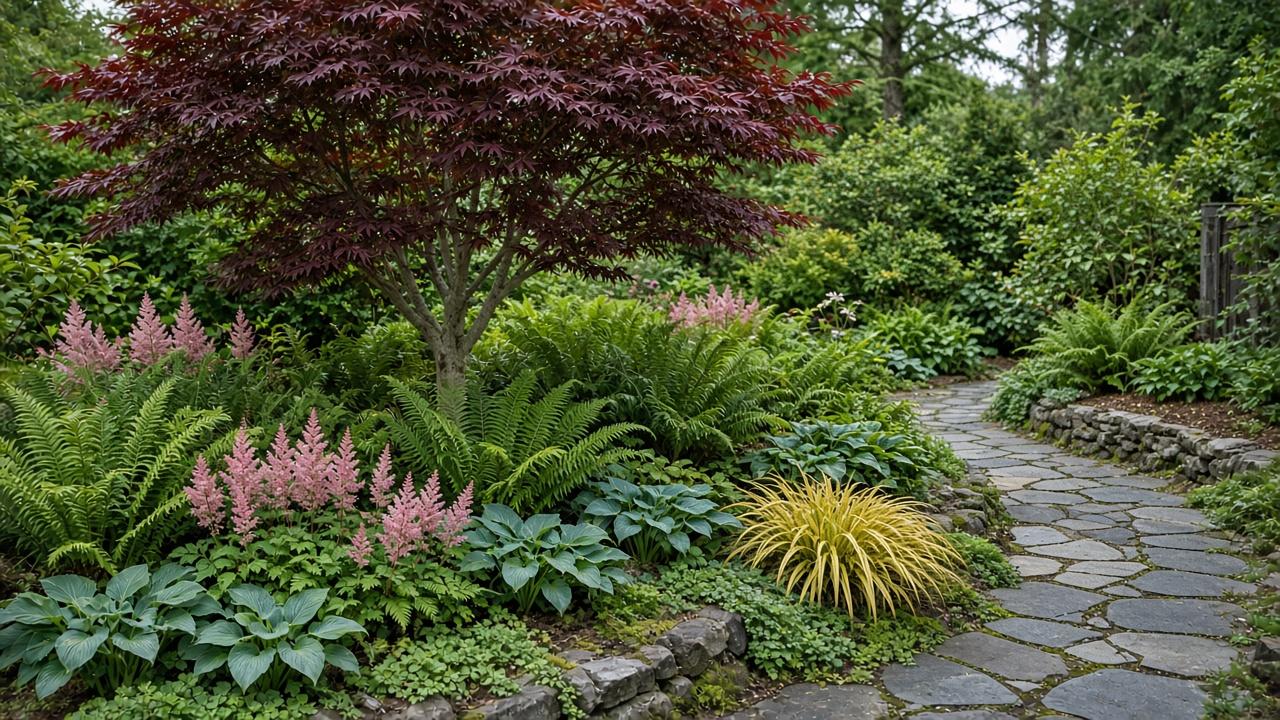
Landscape Design in Portland, OR
Custom Pacific Northwest landscape design plans for Portland homes — plant selection, bed layout, hardscape integration, and seasonal interest.
A great landscape doesn't happen by accident. It's the result of intentional plant selection, composition, and sequencing — the right plants in the right places, chosen for the specific light conditions, soil type, moisture levels, and maintenance tolerance of your particular Portland yard. That's what professional landscape design delivers, and it's what separates a landscape that looks beautiful for decades from one that looks good in the nursery and struggles in the ground.
Portland is a genuine gardening city. The Pacific Northwest climate — mild winters, warm dry summers, abundant moisture — supports a wider range of plants than almost anywhere in North America. Portland gardens can include Japanese maples, rhododendrons, magnolias, ornamental grasses, hundreds of fern varieties, and a remarkable palette of shade-loving perennials that thrive under the conifer canopy characteristic of Portland neighborhoods.
Portland Hardscaping Services connects you with landscape designers who understand the Pacific Northwest plant palette deeply and know how to create gardens that are visually compelling across all four seasons — not just spectacular in May and bare and forgotten by November.
Portland-Specific Considerations for Landscape Design
Portland's climate is genuinely exceptional for plant diversity. USDA Hardiness Zone 8b in most of the metro means plants from coastal Mediterranean climates, Pacific Northwest natives, Japanese woodland species, and many others thrive together. A well-designed Portland landscape can have year-round interest — winter structure from evergreens and hellebores, spring bloom from Japanese maples and magnolias, summer texture from ornamental grasses and hostas, fall color from maples and viburnums.
Portland's native plant movement is strong and well-supported by local nurseries. Designs that incorporate Oregon natives — sword fern, red flowering currant, Oregon grape, salal, native sedges — reduce water needs, support pollinators, and create a landscape that feels authentically Pacific Northwest. Many Portland homeowners want a mix of natives and carefully chosen exotics that complement the local character.
Portland's varying sun exposure is a critical design factor. West Hills properties and mature-neighborhood lots often have deep shade under Douglas firs and big-leaf maples. Newer construction lots on the valley floor may be fully exposed. Plant selection must match actual light conditions — a common failure of non-professional planting schemes is sun-loving plants in shade (or vice versa).
How Landscape Design Installation Works in Portland
Site Analysis
The designer walks your property, assessing sun exposure by zone, soil conditions, drainage patterns, existing plants worth keeping, and the views and focal points you want to create or screen.
Design Development
A planting plan is developed showing bed layouts, plant selection with common and botanical names, quantities, and spacing. A good designer presents at least two layout concepts for major decisions.
Plant Material Review
The client reviews the plan, asks questions, and modifications are incorporated. Final plant list is confirmed and material is sourced from quality Portland-area nurseries.
Installation
Beds are prepared with compost amendment, plants are installed at proper depth and spacing, and mulch is applied. Edge definition is established between beds and lawn or hardscape.
Irrigation Setup
Drip irrigation or overhead coverage is established for new plantings. Portland's summer drought means newly installed plants need supplemental water for the first 1–2 seasons even if the design is ultimately low-maintenance.
Post-Planting Care Instructions
The designer provides a maintenance guide: what to prune and when, which plants will need monitoring through their first winter, and what to expect as the design matures over 2–5 years.
Material Options for Portland Landscape Design
Oregon Native Plants
Sword fern, Oregon grape, red flowering currant, salal, native sedges, and Pacific Coast iris. These plants are the most resilient choices for Portland conditions and support local wildlife.
Japanese Maples
One of Portland's most beloved landscape trees. Dozens of varieties available at local nurseries, from upright to weeping, green to deep burgundy. Acid-tolerant, prefers morning sun and afternoon shade.
Pacific Northwest Ornamental Grasses
Blue oat grass, Japanese forest grass (Hakonechloa), New Zealand flax (in mild Portland winters), and sedges add movement, texture, and winter interest to landscapes.
Shade-Loving Perennials
Hostas, astilbe, hellebores, epimedium, and tiarella are workhorses of Portland shade gardens. They perform reliably under the conifer canopy common in established Portland neighborhoods.
What a Quality Landscape Design Install Includes
Before you accept a quote or sign a contract, run through this checklist. These are the non-negotiables for a quality landscape design installation in Portland.
Landscape Design in Portland — Questions We Hear Most
What's the best time of year to plant in Portland?
Fall (September–November) is often cited by Portland horticulturalists as the best planting season. Soil is still warm from summer, rainfall is resuming, and plants can establish roots before winter without the heat stress of summer. Spring is also excellent. Midsummer planting is the riskiest — Portland's July–August drought means newly installed plants need aggressive irrigation.
How long does it take for a new landscape design to look mature?
Most landscapes designed by professionals look good immediately after installation, better at 2 years, and reach their intended composition at 3–5 years as perennials fill in and trees develop structure. Good design accounts for this maturation — spacing that looks sparse at installation becomes appropriately lush by year 3. Avoid the temptation to overplant at installation; it creates crowding problems within a few years.
What's the difference between landscape design and landscape architecture?
Licensed landscape architects (ASLA) are credentialed to design public spaces, handle grading plans, and produce engineering drawings required for large-scale or commercial projects. For residential Portland garden design, a skilled landscape designer without the formal LA credential can produce excellent planting plans, bed layouts, and plant specifications. The distinction matters most on projects requiring engineering permits.
How much water does a Portland landscape need?
A well-designed Pacific Northwest landscape using appropriate plants needs virtually no supplemental water once established (typically 2–3 years). During that establishment period, regular deep watering during Portland's June–September dry season is essential. Drip irrigation dramatically improves survival rates and reduces the time burden on the homeowner during establishment.
Should I include Oregon native plants in my Portland landscape design?
We strongly encourage it. Oregon natives — particularly sword fern, Oregon grape, salal, red flowering currant, and native sedges — are supremely adapted to Portland's soil and climate. They require no fertilization, tolerate Portland's summer drought once established, and support native bees, birds, and beneficial insects. Blending natives with well-chosen ornamentals creates a landscape that looks curated rather than 'naturalistic' but functions ecologically.
Ready to design a Portland landscape that looks great year-round? Get connected with a local landscape designer today.
Portland Hardscaping Services connects you with licensed, insured landscape design contractors across the Portland metro area. Fill out the form and we'll be in touch.