Walkway & Path Installation in Portland, OR
Flagstone, paver, and concrete walkway installation that enhances curb appeal and everyday function.
A well-designed garden path does more than get you from the front door to the back gate. It organizes the garden, controls where feet go (and where they don't), and sets the visual tone for the entire outdoor space. Walkways are among the highest-satisfaction hardscaping projects — the return on investment in daily usability and curb appeal is immediate.
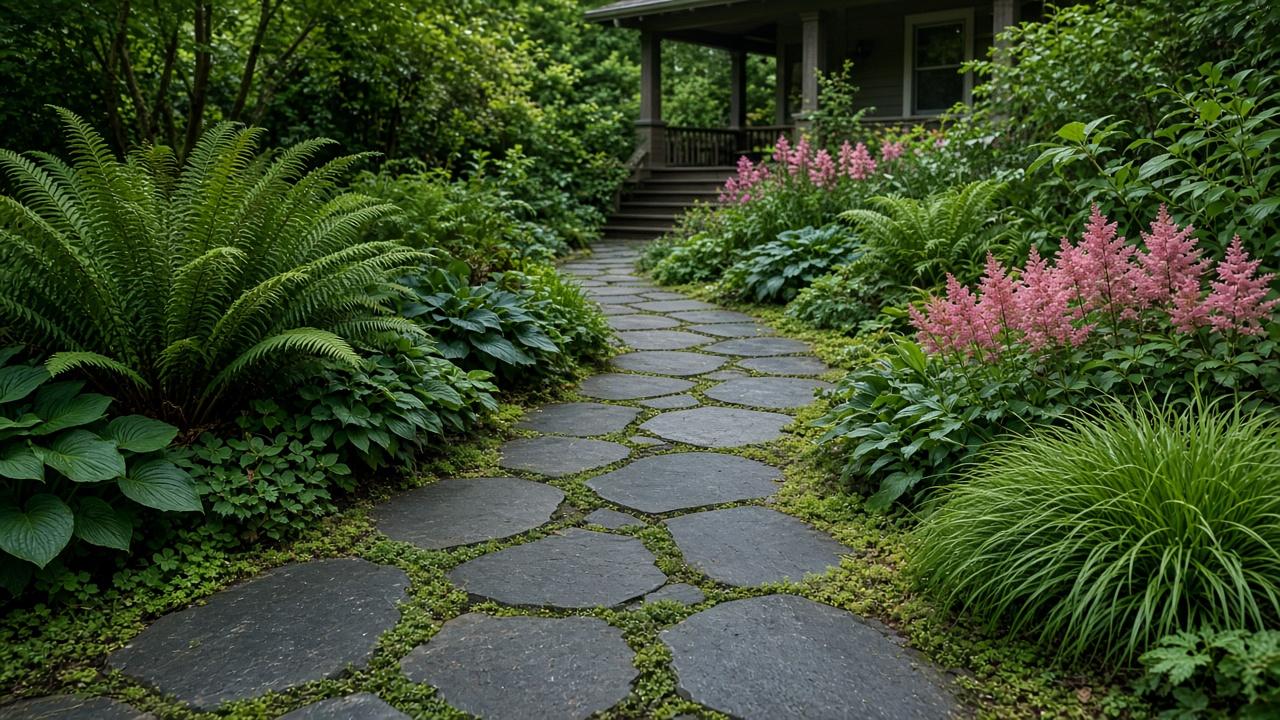
Portland yards lend themselves beautifully to flagstone and natural stone paths. The Pacific Northwest landscape aesthetic — lush green ferns, moisture-loving perennials, mossy groundcovers — pairs naturally with irregular bluestone, local basalt, and weathered fieldstone. A flagstone path surrounded by sword ferns and hostas is practically Portland's native landscape style.
Portland Hardscaping Services connects you with contractors who build walkways to last. The key issue with paths in Portland's climate is drainage: paths that hold water become slippery and accelerate moss and algae growth. Proper base installation and the right stone texture for wet conditions makes all the difference.
Portland-Specific Considerations for Walkways & Paths
Portland's wet climate means path materials need to be chosen for traction. Polished stone is a slip hazard when wet. Rough-textured bluestone, exposed aggregate concrete, tumbled pavers, or natural basalt with a textured surface are all smart choices for Oregon.
Moss is a Portland reality. On north-facing paths in shade, moss will colonize stone and concrete surfaces over time. Some homeowners love this as part of the aesthetic; others need to maintain clear, safe walking surfaces. Your material choice and maintenance approach should align with your preference.
Root heaving from Portland's mature street trees and Douglas firs is a real issue with rigid path materials. Flexible paver walkways handle root movement better than poured concrete, which cracks and heaves unpredictably.
How Walkways & Paths Installation Works in Portland
Path Layout & Grade Assessment
The contractor marks the path route with spray paint or stakes, assessing any grade changes, root zones, and drainage patterns.
Excavation & Sub-Base
Path excavation is typically 4–6 inches for light-use pedestrian paths. A 3–4 inch compacted gravel base prevents settling.
Sand Bed or Mortar Bed
Flagstone can be set in sand (flexible, naturalistic) or mortar (more permanent, better for heavy flagstone). Your contractor will recommend based on the application.
Stone Setting
Stones are fitted together, leveled, and shimmed as needed. Gaps between flagstones are filled with gravel, decomposed granite, or groundcover plants depending on the look.
Edge Definition
Path edges are defined with steel edging, natural stone borders, or planted edges. Clean edges prevent the path from spreading over time.
Material Options for Portland Walkways & Paths
Bluestone Flagstone
Classic Pacific Northwest look. Natural blue-grey color, rough surface texture for traction, and extremely durable. Sourced from regional quarries.
Local Basalt Stepping Stones
Dark grey to black, very Portland, highly durable. Irregular shapes work well in naturalistic garden settings.
Decomposed Granite Paths
A loose material stabilized with a polymer binder. Good drainage, naturalistic look, and low cost. Best for informal garden paths not heavily used.
Concrete Pavers
Consistent sizing makes installation faster and more economical. Tumbled pavers give a more naturalistic look than straight-edged types.
What a Quality Walkways & Paths Install Includes
Before you accept a quote or sign a contract, run through this checklist. These are the non-negotiables for a quality walkways & paths installation in Portland.
Walkways & Paths in Portland — Questions We Hear Most
How wide should a garden path be in Portland?
A path that allows comfortable single-file walking should be at least 24 inches wide. A path that allows two people side by side needs 48 inches or more. Main entry paths from the street to the front door work best at 36–48 inches for proportion and usability.
What's the best stone for a wet Portland climate?
Rough-textured bluestone and basalt stepping stones are the top choices. Avoid polished granite or marble, which are hazardous when wet. If you're using concrete pavers, choose tumbled or textured surfaces rather than smooth. Any stone surface in Portland will eventually develop some moss — plan for seasonal cleaning.
Should I mortar or sand-set flagstone in Portland?
Sand-set flagstone is more flexible and forgiving with tree roots and ground movement, which is a real advantage in Portland's older, tree-heavy neighborhoods. Mortar-set stone stays more precisely aligned but can crack if the base shifts. For garden paths in naturalistic settings, sand-set with groundcover joints is often the better choice.
Transform your Portland garden with a walkway that looks like it was always there. Get connected with a local contractor today.
Portland Hardscaping Services connects you with licensed, insured walkways & paths contractors across the Portland metro area. Fill out the form and we'll be in touch.